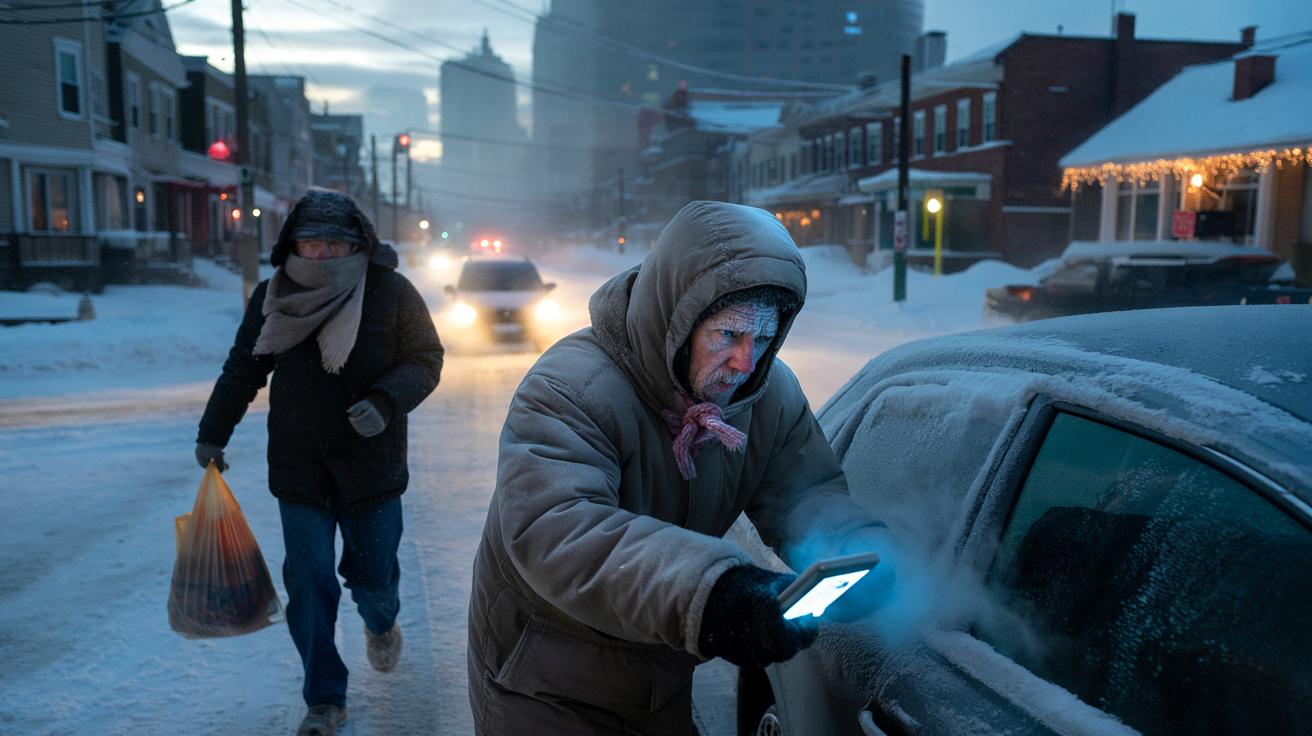
On a dark November morning in Minneapolis, the air already bites a little sharper than the calendar suggests. People scrape thin ice from windshields with one hand and scroll through weather apps with the other, half-awake, half-worried. A headline jumps out: “Early polar vortex shift forming over the Arctic.”
It sounds abstract, almost sci‑fi, until you feel that strange, metallic cold creeping into your bones weeks ahead of schedule.
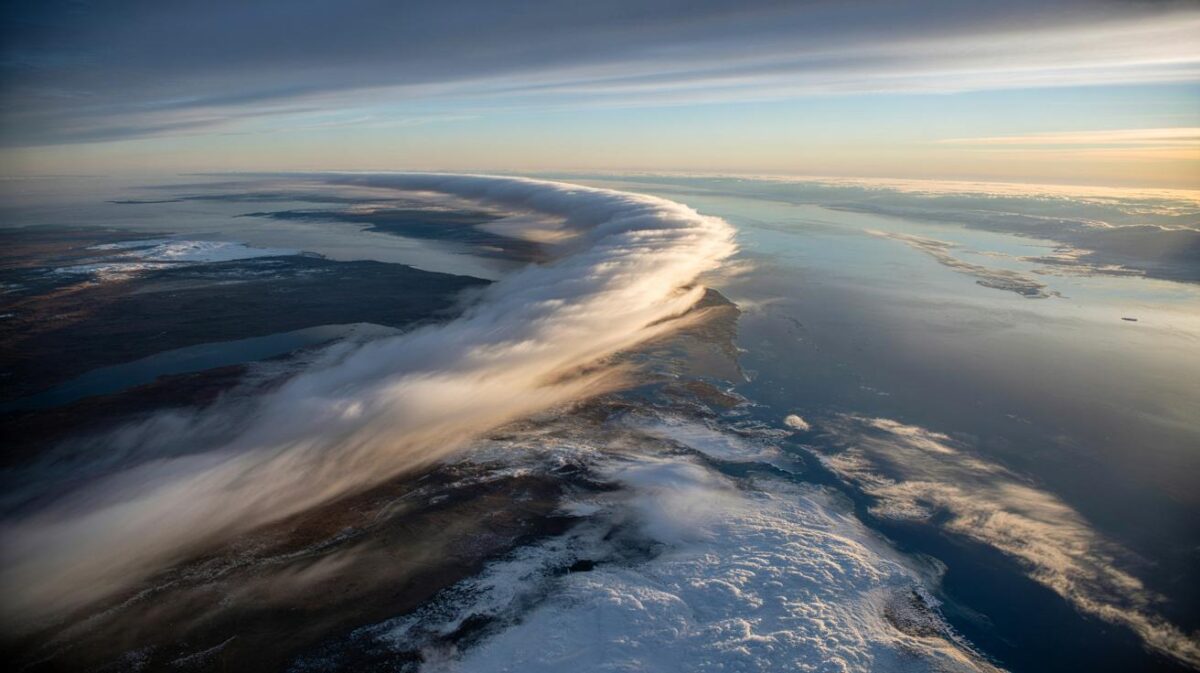
Up above, 30 kilometers over the North Pole, the atmosphere is quietly rearranging itself in ways most of us will never see, but will absolutely feel.
Meteorologists watching high‑altitude wind charts say January might not play by the usual rules this year.
Something big is brewing where winter begins.
A polar vortex that’s waking up too early
Think of the polar vortex as winter’s engine room, a powerful whirl of freezing air spinning high above the Arctic. Most years it tightens up in mid‑winter, sending occasional blasts of cold south, then relaxing again. This year, that engine is revving strangely early.
Forecast models are picking up a rare early-season disruption, the kind of wobble that can knock the vortex off balance and shove its cold heart toward populated regions.
For people on the ground, that doesn’t look like a neat graphic. It looks like frozen pipes, shattered heating bills, and cities thrown into chaos while Christmas lights are still up.
Back in January 2014, Chicago branded itself “Chiberia” when wind chills plunged below –40°F and trains froze on their tracks. Streets were empty, except for the crunch of boots and the occasional siren. That brutal cold was tied to a distorted polar vortex slumping far south.
Now, some of the same scientists who studied that episode are warning that the upcoming January pattern could rival those extremes—or overshoot them altogether.
➡️ China’s new 22 km tunnel marks an engineering miracle and a controversial monument to state power
➡️ The must-have hot drink in January: it cleanses the pancreas and prevents fatigue
➡️ Meteorologists confirm that the jet stream will realign unusually early this January
One experimental model from Europe has already flashed scenarios of deep, lingering cold waves across parts of North America and Europe, lining up suspiciously with school reopening dates and the post-holiday commute.
What’s unfolding starts far above the weather reports you see on TV. In the stratosphere, strong westerly winds usually keep the polar vortex nicely contained, like a spinning top that refuses to topple. When that wind belt weakens or reverses, the vortex can split or sag, spilling Arctic air into the mid-latitudes.
This season, wave energy from lower latitudes—driven by jet stream kinks, warm oceans, and stubborn high‑pressure domes—is already punching upward into that high layer of air.
The result is a brewing early-season “sudden stratospheric warming” event, a tongue‑twister that often means one simple thing at ground level: winter may come harder, and faster, than we’re used to.
What you can actually do before January hits
The most effective move right now is quietly boring: prepare for the kind of cold you think is probably exaggerated… and then add a notch. That starts at home. Check where the drafts slide in—under doors, through old window frames, around electrical outlets on outside walls. A single afternoon with cheap weatherstripping and fabric draft snakes can shave precious degrees off a cold snap night.
Take a flashlight and do a slow walk around your place after dark, heating on, lights low. Feel for the sneaky cold spots with your hand.
That tiny tour is worth more than ten hours of doomscrolling forecasts.
We’ve all been there, that moment when a weather warning pops up and you shrug, thinking “they always exaggerate,” then spend the next week layering socks and regretting everything. The trap this season is assuming January 2024 or 2023 rules apply to January 2025 or 2026. They may not.
Common mistake number one: waiting for the first brutal night to buy space heaters, pipe insulation, or snow shovels, then finding empty shelves. Common mistake number two: underestimating how fast a cold wave can flip from “refreshing” to dangerous, especially for kids, older relatives, or anyone with heart or lung issues.
Let’s be honest: nobody really does this every single day. But a single focused weekend now can spare you a month of scrambling later.
Meteorologists, used to being accused of hype, are sounding unusually cautious—but firm.
“People get tired of the phrase ‘polar vortex,’” says Dr. Elena Ruiz, a climate dynamics researcher based in Madrid. “Yet the stratosphere doesn’t care about buzzwords. When we see this kind of early disruption, we have to say plainly: the dice are loaded for an intense January.”
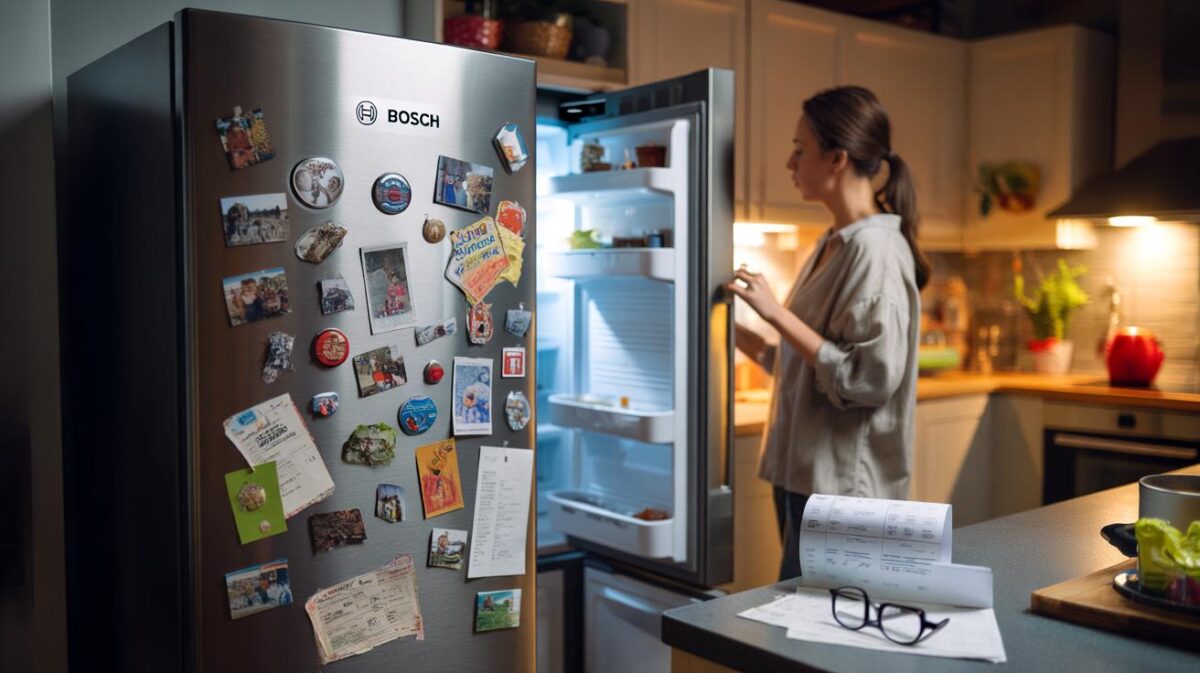
Below that warning, there’s a simple, very human checklist that can fit on your fridge door:
- Wrap exposed pipes in garages, basements, and crawl spaces before New Year’s.
- Stash a basic 72‑hour kit: water, non‑perishable food, batteries, power bank, blankets.
- Service your heating system and test backup heat sources safely.
- Plan a “who checks on whom” phone tree for neighbors and relatives.
- Sort out winter clothes now: boots that actually grip, gloves that actually warm.
Where climate change meets an old Arctic engine
The polar vortex itself isn’t new. What’s new is the world it spins above. Arctic sea ice is shrinking, northern oceans are warmer, and that changes how heat and energy move into the upper atmosphere. Some scientists argue that these shifts are making the vortex more prone to wild swings—more dramatic splits, deeper collapses, and stranger jet stream bends.
Others push back, warning that the data record is still short and noisy.
Caught between those debates is a simple lived reality: winter weather is feeling less predictable, and the line between “normal cold” and “historic event” seems thinner than it used to be.
On the ground, that uncertainty hits everything from city budgets to small family plans. Road crews have to guess how much salt to stock, airlines juggle schedules, and parents quietly wonder if school will be open, closed, or toggling between the two every few days. Farmers trying to overwinter crops or livestock face a nightmare scenario: a warm spell that triggers growth, followed by an Arctic blast that wipes it out.
For outdoor workers—from delivery drivers to construction crews—an early, intense polar vortex shift can mean real health risks. Hypothermia isn’t some remote mountain issue; it shows up in ordinary suburbs when wind chills tank and people underestimate exposure times.
*Weather that once felt exceptional is starting to show up on repeat.*
There’s also the mental side of this story, one we rarely name. Long runs of deep cold pin people indoors, isolate those who live alone, and strain already‑fragile routines. That’s amplified when the cold wave arrives just as the holiday glow fades and the long, gray stretch of January kicks in.
Psychologists who track seasonal affective disorder say sudden, severe cold snaps can act like a “mood accelerator”—pushing vulnerable people into deeper lows more quickly.
This is where community resilience meets climate science: how we talk to each other about what’s coming, how early we check on neighbors, how cities open warming centers before, not after, the worst hits. **A polar vortex disruption may start as physics, but it lands as sociology.**
A winter worth paying attention to
In a way, this early polar vortex shift is a test of our attention span. Will we treat it as just another headline in a crowded feed, or as a quiet nudge to adjust how we live through January? The science is still evolving, the models still argue with each other, and no one can tell you the exact day your town might plunge into record cold.
Yet the signals from the upper atmosphere are stronger than usual, and the people paid to read them are leaning forward in their chairs. They’re not promising catastrophe; they’re saying, “Don’t be surprised if this one feels different.”
How that story unfolds won’t just be written by the winds over the Arctic. It will be written in the way we tape up windows, rework work schedules, share rides, open spare rooms, and quietly dial older relatives when the first ice fog rolls in.
The polar vortex may be thousands of kilometers away, spinning in the dark. But the choices you make over the next few weeks decide whether this January becomes a horror story you tell for years… or just a tough winter you were oddly ready for.
| Key point | Detail | Value for the reader |
|---|---|---|
| Early polar vortex disruption | Unusual stratospheric changes are forming weeks ahead of the typical timeline | Gives a heads-up that January cold could be more intense and less predictable |
| Ground-level preparation | Simple home checks, insulation, gear, and community plans started before New Year’s | Reduces risk of damage, health issues, and last-minute panic buying |
| Climate context | Warmer Arctic, shifting jet stream, and more volatile winter patterns | Helps readers understand why “once-in-a-decade” cold might show up more often |
FAQ:
- Question 1Is the polar vortex something new caused by climate change?The polar vortex has always existed; it’s a natural part of the atmosphere over the Arctic. What’s changing is how often and how strongly it gets disrupted, which many scientists link partly to a warming Arctic and shifting jet stream patterns.
- Question 2Does an early polar vortex shift guarantee a brutal winter where I live?No, there’s no absolute guarantee. A disrupted vortex raises the odds of severe cold outbreaks, but where those outbreaks land depends on how the jet stream bends in the coming weeks, which is still hard to predict precisely.
- Question 3How far in advance can experts see a polar vortex disruption coming?Stratospheric signals can sometimes be detected two to four weeks ahead of major events. That gives a valuable “heads-up window,” even if the exact local impacts remain fuzzy until closer to the date.
- Question 4What’s the simplest preparation I can do this weekend?Walk your home or apartment and seal obvious drafts, protect exposed pipes, and check that you have working flashlights, batteries, and at least a few days of food that doesn’t require cooking. Then sort proper winter layers for everyone in your household.
- Question 5Should I be worried about my energy bills if this January is extreme?Yes, bills can spike fast in extended cold waves. You can blunt the impact by improving insulation, lowering thermostat settings slightly and consistently, using programmable timers, and asking your utility about budget billing or assistance programs before the coldest period hits.